
Why Cutting Corners on Interior Painting Costs You More Later
When it comes to home improvement, interior painting is one area where homeowners often look to save money. There's a common temptation to cut corners, opting for cheaper materials and speeding through the process. However, this short-sighted approach can lead to higher costs in the long run. Not only can hasty work and inferior materials reduce the aesthetics of your home, but they also tend to require more frequent repairs and repaints. Many homeowners only realize this after comparing their results to work completed by experienced interior painting companies, where durability and finish quality are noticeably higher. This article will delve into the various aspects where cutting corners can backfire, ultimately costing more over time despite the initial savings.
1. The Cost of Poor Preparation
1.1 Inadequate Surface Cleaning
Proper surface cleaning is essential for ensuring that paint adheres well to the walls. Skipping this step can result in adhesion issues, leading to premature peeling and flaking. Unclean surfaces prevent paint from forming a solid bond, which shortens the lifespan of the paint job considerably. This type of oversight can necessitate an early repaint, negating any initial cost savings. Consistently, preparation time saves money over the long term by providing a durable finish, making it a crucial step that should never be overlooked.
1.2 Skipping Primer
Many amateur painters see primer as an unnecessary expense, yet it is instrumental in preparing surfaces for paint. Neglecting to use primer can lead to uneven application, color inconsistency, and increased paint consumption. Primer provides a uniform base layer that enhances the visibility and durability of the paint color. Without it, you may find areas of your walls that appear blotchy or discolored, detracting from the overall appearance of the room. This is one reason interior painting companies emphasize primer as a non-negotiable step.
2. Choosing Inexpensive Materials
2.1 Impact of Low-Quality Paints
Choosing cheap paint can seem like a smart move initially, but it usually requires more coats to achieve satisfactory coverage. According to HomeGuide, painting an average bedroom generally requires 2 to 3 gallons of paint, and low-quality products often push usage beyond this range due to poor coverage and inconsistency. These paints may also have a shorter lifespan, leading to more frequent need for repainting. Many interior painting companies recommend premium paints specifically to reduce these long-term costs. Poor-quality paints also tend to fade faster, reducing the aesthetic appeal of the painted surface prematurely.
2.2 Inferior Brushes and Rollers
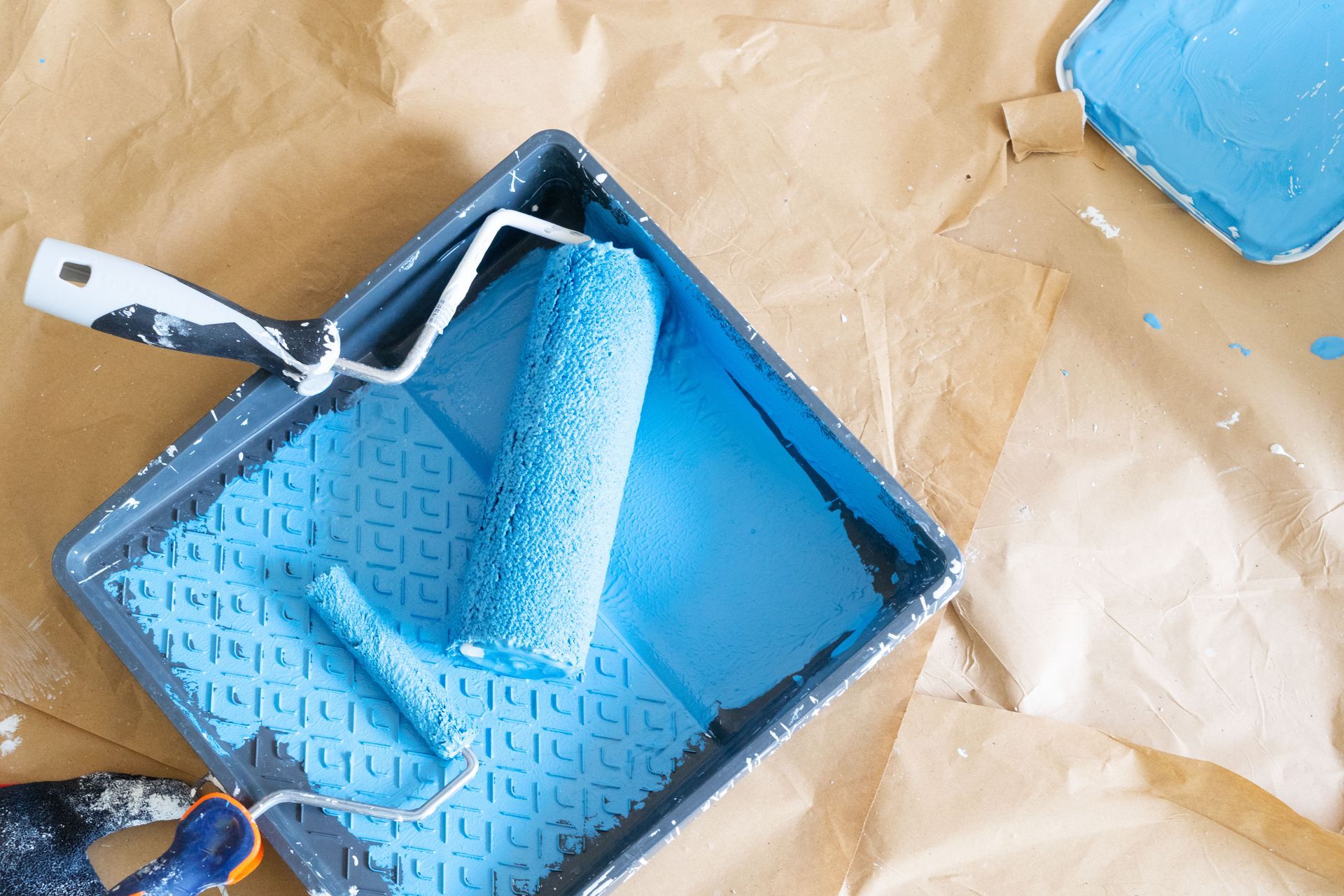
Many people neglect the importance of using quality tools such as brushes and rollers when painting. Poor-quality tools can result in an uneven finish, leaving streaks or lint in the paint. These imperfections require more time for correction and often lead to wasted paint. Quality brushes and rollers are designed to hold and apply paint more efficiently, ensuring a smoother application and reduced waste. This attention to tools is standard practice among interior painting companies focused on consistent results.
3. Inadequate Skillset and Execution
3.1 Common DIY Mistakes
Amateur painters often fall victim to common DIY mistakes due to a lack of experience and technical knowledge. These errors, such as over-brushing, improper paint application, and inadequate layering, compromise the final finish. Mismatches in cutting-in or feathering techniques can also be glaring, especially where walls meet edges or different colors intersect. Such mistakes can lead to additional costs incurred from correcting them or dealing with premature degradation of the paintwork.
3.2 Lack of Technique and Training
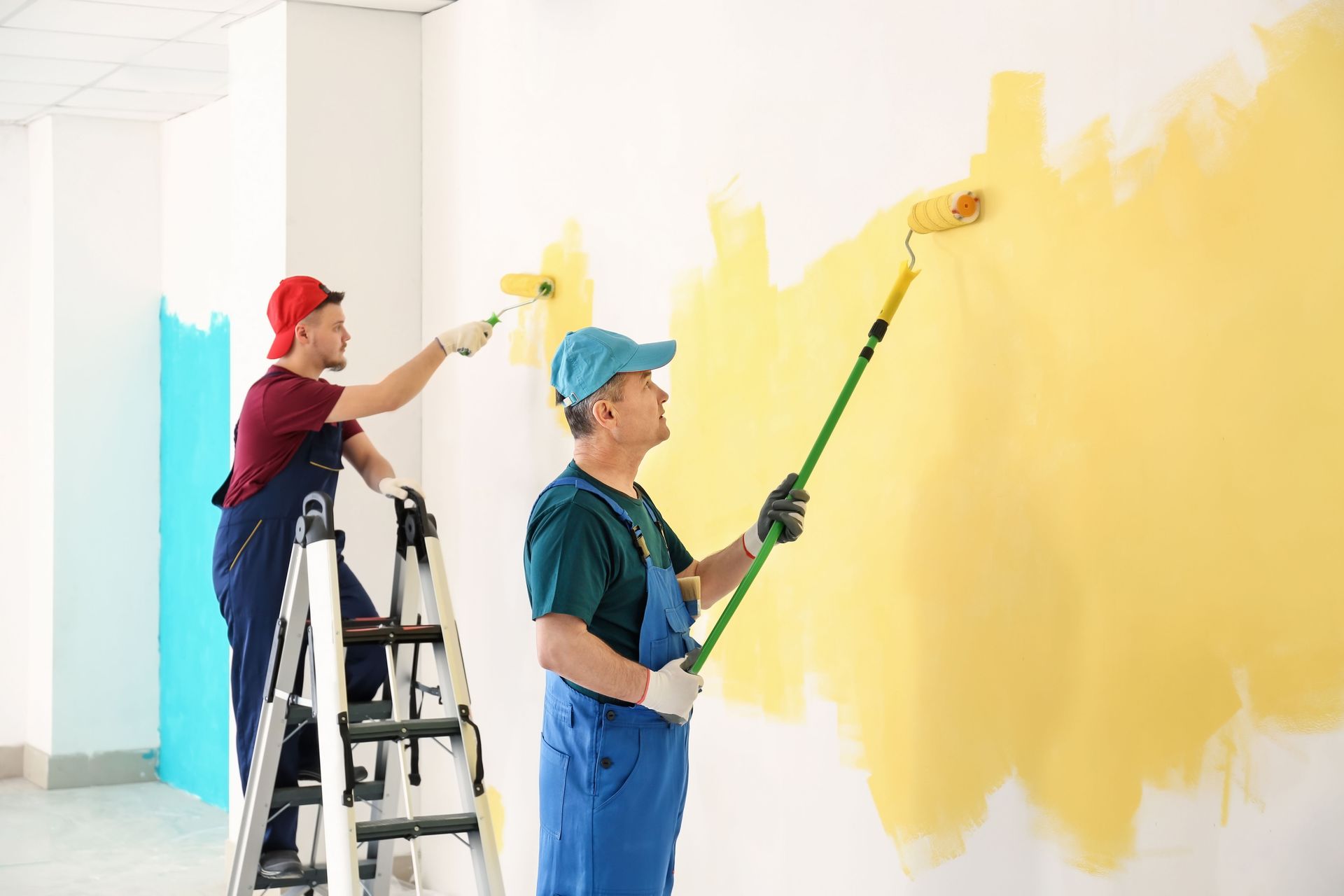
The lack of professional technique, such as knowing how to handle cutting-in or how to apply consistent pressure, often results in uneven paint jobs. Professional painters train extensively to learn these skills, which is why interior painting companies are able to deliver a more refined and uniform finish. Without proper technique, even high-quality paints may not yield satisfactory results. Poor execution frequently leads to additional labor and material costs.
4. The Hidden Costs of Repainting
4.1 The Labor of Rework
Poor quality paint jobs frequently result in the need for rework, increasing costs in both time and materials. This is a common issue encountered by homeowners who initially bypass interior painting companies in favor of rushed DIY solutions. Repainting adds significant labor expenses, with the work typically being more demanding than the initial paint job. Rectifying errors through repainting often represents a larger investment than initially performing the task to a high standard.
4.2 Material Waste
Material waste is a pervasive issue in paint projects that cut corners. Lower quality paints and tools lead to excessive use and more frequent repaints, escalating costs. Inadequate preparation or application also means that previous work might need complete removal before repainting, adding to waste. Ensuring that initial materials and techniques are optimal minimizes waste and helps protect both the environment and your wallet.
5. Safety and Health Implications
5.1 Exposure to Harmful Chemicals
Many lower-quality paints can contain high levels of volatile organic compounds (VOCs), posing significant health risks. Inhabitants in homes with such paint might face respiratory issues, skin irritations, or long-term health complications. Higher standards followed by interior painting companies often include low-VOC or VOC-free products to improve indoor air quality.
5.2 Risks of Improper Ventilation
A crucial step during painting that is often overlooked is ensuring proper ventilation. Without adequate ventilation, toxic fumes from paints can accumulate, causing dizziness, headaches, and irritation. This risk is particularly heightened with poor-quality paints that emit higher levels of fumes. Prioritizing ventilation safeguards both the project and household occupants.
6. Impact on Home Value
6.1 Aesthetic Appeal and First Impressions
The quality of a home's paint job plays a significant role in the first impression it makes on visitors or potential buyers. A polished interior comparable to work completed by interior painting companies instantly boosts aesthetic appeal and supports stronger buyer confidence. In contrast, visible flaws detract from a home's overall presentation.
6.2 DIY Signs and Buyer Perception
Homes with visible signs of DIY painting often struggle to impress potential buyers. These signs can include mismatches, stains, or inconsistent layers that suggest possible underlying issues. Such imperfections may lead buyers to question overall maintenance and negotiate lower offers.
7. Long-Term Maintenance and Durability Considerations
7.1 Wear and Tear Over Time
Interior paint surfaces are exposed to daily wear from foot traffic, furniture movement, moisture, and routine cleaning. Hallways, kitchens, and living areas are particularly vulnerable to scuffs, stains, and fading. When corners are cut during application, these high-use areas tend to show deterioration much sooner. Paint that lacks durability may chip or discolor, making the space appear worn even when the home is otherwise well-maintained. Choosing appropriate finishes and applying them correctly helps surfaces resist everyday stress and maintain their appearance longer.
7.2 Ease of Cleaning and Touch-Ups
Another overlooked factor is how easily painted surfaces can be cleaned or touched up. Poor-quality paint and uneven application often result in surfaces that cannot be wiped down without leaving marks or sheen inconsistencies. This makes routine maintenance frustrating and limits how long walls can look fresh between repaints. A properly executed paint job allows for gentle cleaning and seamless touch-ups, reducing the need for full repaints. Over time, this translates into fewer disruptions, lower maintenance costs, and a consistently polished interior appearance.
Cutting corners during an interior paint project may appear economical at first, but the long-term consequences frequently outweigh any short-term savings. From preparation and materials to safety and resale value, every compromised step introduces hidden costs that compound over time. Contact our team at Gecko Painting today to get connected with our painting services.

Share On: