
Facts to Know About Painting Service
A fresh coat of paint can change the appearance, atmosphere, and overall feel of a home, but achieving quality results involves more than choosing a color. Proper preparation, the right materials, application techniques, and sufficient drying time all contribute to a successful project. According to HomeAdvisor, painting a room under typical conditions can take between six and ten hours when preparation, painting, and drying intervals are included. Understanding how a painting service works can help homeowners plan their projects and make informed decisions about professional assistance.
Understand the Importance of Preparation
Preparation is one of the most important parts of any painting project. Although the paint itself receives most of the attention, the condition of the surface underneath can significantly affect the final results.
Before painting begins, the surface may need to be cleaned, repaired, and prepared. Dirt, dust, grease, holes, cracks, and peeling paint can all affect how well new paint adheres to a surface. If these problems are not addressed, imperfections may remain visible after the new paint is applied.
Professional preparation may include:
- Cleaning walls and other surfaces
- Repairing minor holes and cracks
- Removing peeling or damaged paint
- Protecting floors, furniture, and fixtures
- Preparing surfaces for primer or paint
The amount of preparation required depends on the condition of the surfaces and the scope of the project. A room with clean, smooth walls may require less preparation than a space with significant damage or layers of old paint.
Taking the time to prepare properly can help create a smoother, more consistent finish.
Choose Paint Based on the Surface
Not all paint is designed for every surface or environment. The type of paint selected can affect the appearance, durability, and maintenance needs of the finished project.
Interior and exterior surfaces often require different products because they are exposed to different conditions. Interior paint is generally selected based on factors such as room use, desired finish, and cleaning requirements. Exterior paint must withstand exposure to weather, sunlight, moisture, and temperature changes.
Homeowners should also consider the finish of the paint. Different finishes can create different appearances and levels of durability.
Common options may include:
- Flat finishes
- Eggshell finishes
- Satin finishes
- Semi-gloss finishes
- Gloss finishes
The right choice depends on the surface and the goals of the project. High-traffic areas may benefit from a finish that is easier to clean, while other spaces may be better suited to a different appearance.
A professional painting service can help homeowners select products that are appropriate for the specific project.
Allow Time for the Painting Process
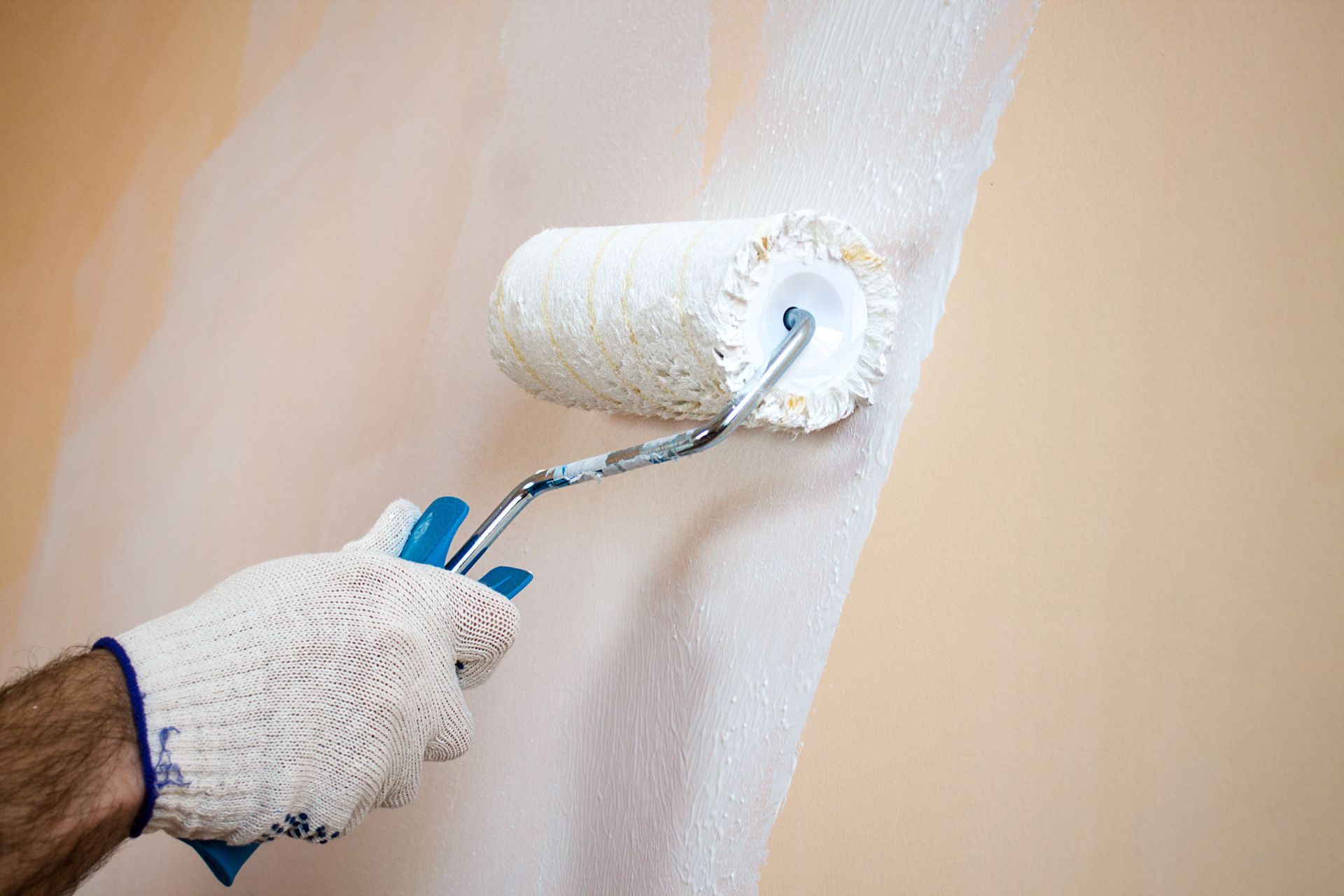
Painting is not always a one-step process. Depending on the surface and the desired results, a project may involve preparation, priming, multiple coats of paint, and drying time between applications.
The drying timeline can vary based on factors such as room size, surface condition, paint type, and the number of coats needed.
Homeowners should avoid rushing the process. Applying another coat before the previous layer has dried properly can affect the final appearance and may create problems with adhesion or texture.
A professional painting service can help establish a realistic project timeline and ensure that each step receives the necessary attention.
Understand the Role of Primer
Primer can serve an important purpose in certain painting projects. It helps prepare the surface and can improve how the paint adheres.
Primer may be useful when:
- Painting over a significantly different color
- Covering stains
- Working with porous surfaces
- Painting new drywall
- Preparing repaired areas
- Creating a more uniform surface
Not every project requires the same type or amount of primer. The condition of the surface and the type of paint being used can help determine whether priming is appropriate.
Using the right primer can help create a more consistent foundation for the finished paint. It may also help reduce the appearance of certain surface imperfections.
Consider How Color Affects a Room
Paint color can influence how a room looks and feels. Light colors may make a space appear more open, while darker colors can create a more dramatic or intimate atmosphere.
The amount of natural light in a room can also affect how a color appears. A shade that looks one way in a store or on a paint chip may appear different when applied to a wall and viewed under the lighting conditions in a home.
Choosing a color is a personal decision, but considering the characteristics of the room can help homeowners feel more confident about the final result.
Protect the Surrounding Areas
Painting involves more than applying paint to a wall. Proper protection of surrounding areas is an important part of maintaining a clean and organized work environment.
Floors, furniture, trim, windows, doors, and fixtures may need to be covered or protected before work begins. Careful preparation can help reduce the risk of accidental drips, splatters, or unwanted paint on surfaces that are not part of the project.
Professional painters typically plan the work area before beginning the application process. This allows them to focus on painting while taking steps to protect the surrounding property.
Recognize the Benefits of Professional Application
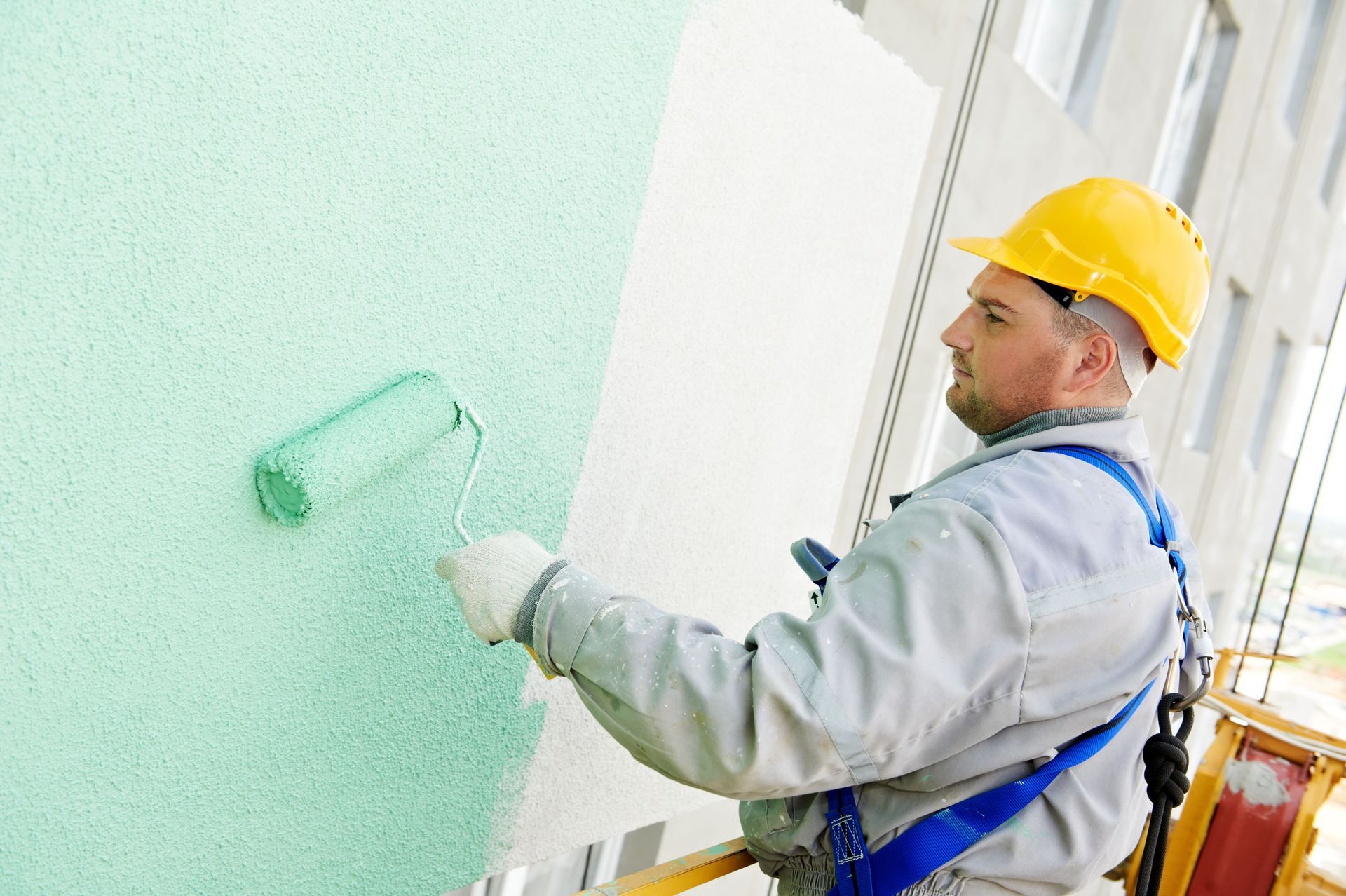
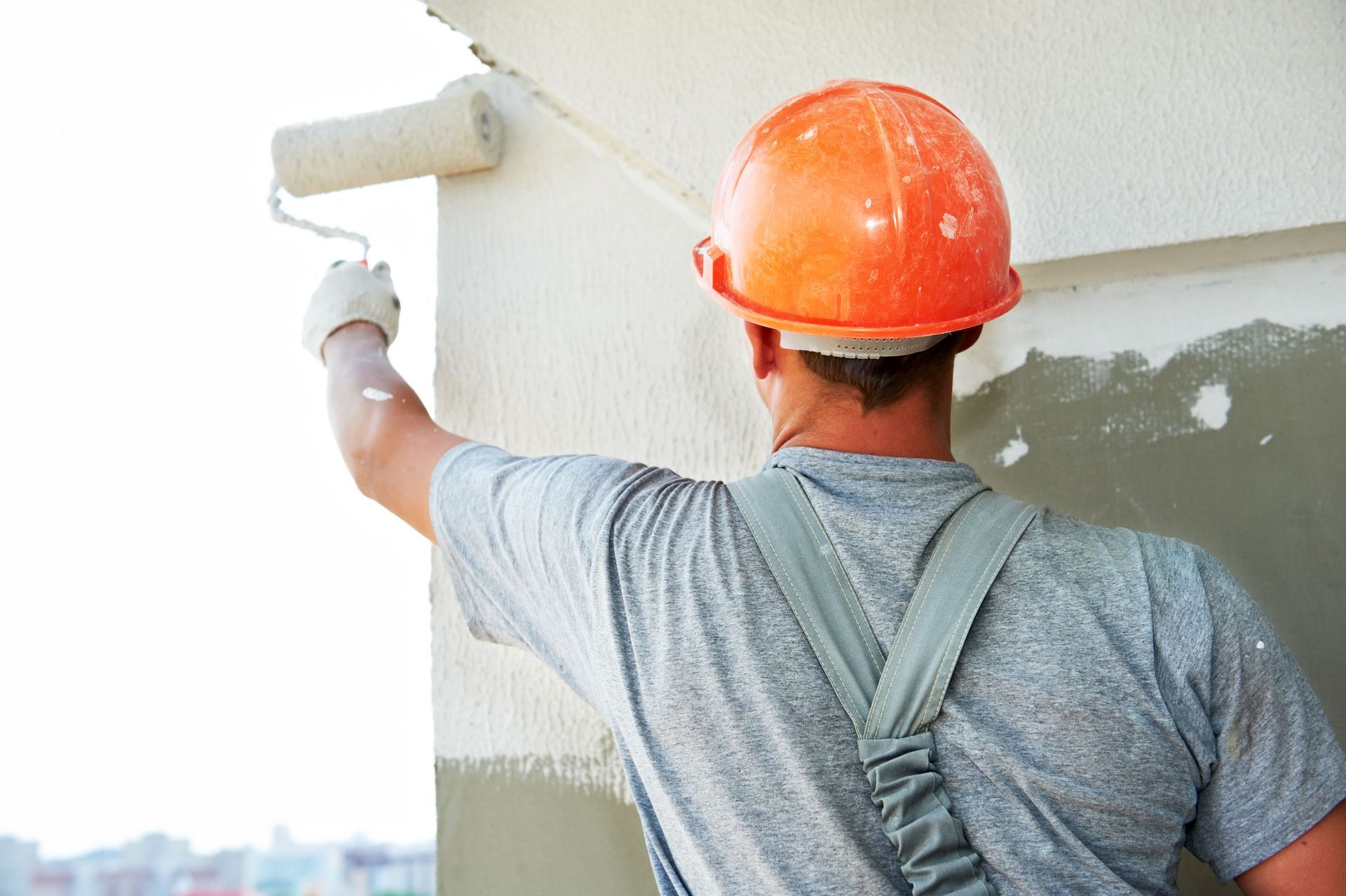
While some homeowners choose to paint on their own, a professional application can offer several advantages. Painting may appear simple, but achieving consistent coverage and clean lines requires attention to detail and experience.
Professionals understand how to work with different surfaces, paint products, and application techniques. They can also help identify potential problems before painting begins.
Hiring a professional painting service can also help homeowners save time and avoid some of the challenges associated with completing a large project independently.
Plan for Interior and Exterior Needs
Painting projects can involve many different areas of a property. Interior painting may focus on walls, ceilings, trim, doors, and other surfaces inside the home. Exterior painting may involve siding, trim, and other outdoor surfaces that must withstand exposure to the elements.
Each type of project requires different considerations. Exterior surfaces may need additional preparation because of dirt, moisture, weather exposure, and existing paint conditions. Interior projects may require greater attention to protecting furniture, flooring, and household items.
A professional painting service can help homeowners determine what the project requires and develop an approach based on the property's needs.
Maintain Painted Surfaces
Proper maintenance can help painted surfaces continue to look their best. Even high-quality paint can eventually show signs of wear, particularly in areas exposed to frequent contact, moisture, sunlight, or heavy use.
Homeowners can help maintain painted surfaces by:
- Cleaning surfaces appropriately.
- Addressing stains or marks promptly.
- Monitoring for peeling or cracking.
- Repairing damaged areas when necessary.
- Touching up areas that show significant wear.
Regular maintenance may help extend the appearance and usefulness of a paint job. However, surfaces that have extensive damage or significant fading may eventually require a larger repainting project.
Prepare for a Successful Painting Project
A successful painting project depends on more than the color selected. Preparation, product selection, surface condition, application techniques, drying time, and maintenance all contribute to the final results.
Homeowners who understand these factors can make more informed decisions about their properties and determine when professional assistance may be appropriate. Whether the project involves refreshing one room or updating multiple areas, careful planning can help create a more attractive and durable finish.
Professional help can also make the process more efficient, particularly when a project involves extensive preparation, multiple surfaces, or areas that are difficult to reach. If you are planning an interior or exterior painting project, contact Gecko Painting for a professional
painting service tailored to your home's needs.






Share On: